
How to Get a US Employer Sponsorship in 2026: A Guide to H-1B, Green Cards & Work Visas
Securing employer sponsorship is a major pathway for foreign professionals aiming to work and build a life in the United States. For 2026, the landscape features established systems alongside significant new policies that applicants must navigate. This guide details the key steps, visa categories, and strategic advice for obtaining U.S. employer sponsorship.
Understanding Employer Sponsorship
U.S. employer sponsorship is a legal process where a U.S.-based company petitions the government on behalf of a foreign national to hire them. Sponsorship is required for most work-based visas and all employment-based green cards. The process involves multiple government agencies and can be lengthy, with employers bearing significant legal and filing costs.
There are two primary tracks: temporary non-immigrant work visas (like the H-1B) and permanent immigrant visas (Green Cards). The right path depends on your qualifications, the employer’s needs, and long-term goals.
Major Temporary Work Visas for 2026
These visas allow you to work in the U.S. for a specific employer for a set period. They are often stepping stones to permanent residency.
The H-1B Visa: For Specialty Occupations
The H-1B is the most common temporary work visa for professionals in fields like technology, engineering, finance, and research.
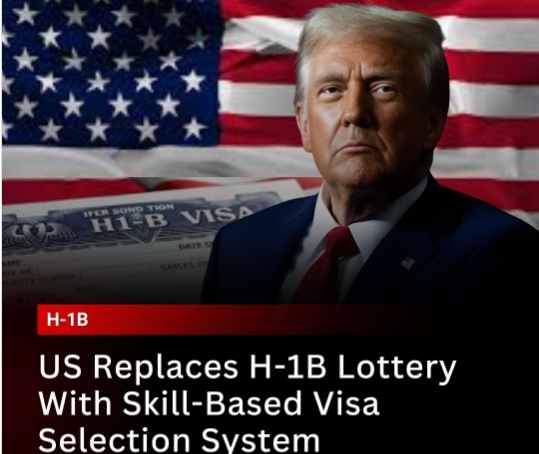
- The 2026 Cap and Registration: For Fiscal Year 2026 (which began Oct. 1, 2025), U.S. Citizenship and Immigration Services (USCIS) has already received enough petitions to meet the congressionally mandated cap of 65,000 visas, plus 20,000 for holders of U.S. master’s degrees or higher. This highlights the program’s competitiveness. Registration for the FY 2027 cap will occur in March 2026 under a new beneficiary-centric selection process designed to reduce fraud by selecting individuals rather than registrations.
- 2025 Policy Change – The $100,000 Fee: A major change effective September 2025 is a presidential proclamation imposing a $100,000 fee on most new H-1B petitions for beneficiaries outside the U.S. without a valid H-1B visa. This does not apply to petitions filed before September 21, 2025, or to extensions, amendments, or changes of employer for those already in H-1B status. Employers must pay this fee before filing the petition.
- Eligibility: The position must qualify as a “specialty occupation,” typically requiring at least a bachelor’s degree in a specific field, and you must hold that degree or its equivalent.
Other Key Temporary Visas
- L-1 Visa: For executives, managers, or employees with specialized knowledge transferring from a foreign office to a U.S. office of the same company.
- O-1 Visa: For individuals with extraordinary ability in sciences, arts, education, business, or athletics.
- TN Visa: For Canadian and Mexican citizens in professions listed under the USMCA trade agreement.
The Path to a Green Card Through Employment
An employment-based green card provides permanent residency. The employer-sponsored process is multi-stage, often taking several years.
The Employment-Based Preference Categories
There are five main categories (preferences), each with specific requirements:
The Standard Green Card Sponsorship Process
For most EB-2 and EB-3 cases, the process involves three key steps:
- Labor Certification (PERM): The employer must test the U.S. job market to prove no qualified, willing, and available U.S. workers can fill the position. This involves mandatory recruitment and can take 6+ months.
- Immigrant Petition (Form I-140): Once PERM is approved, the employer files this form with USCIS to classify you into an EB category.
- Adjustment of Status or Consular Processing: After I-140 approval, you wait for a visa number to become available based on your priority date (usually the PERM filing date). You then apply for a green card either within the U.S. or at a U.S. consulate abroad.
Critical Factor: Visa Bulletin and Priority Dates
Green card numbers are limited annually, causing backlogs. The monthly Visa Bulletin published by the Department of State dictates when you can proceed based on your priority date and country of birth. In January 2026, significant wait times persist, especially for applicants from India and China.
Strategic Steps to Secure Sponsorship in 2026
- Target the Right Employers: Focus on companies with a demonstrated history of sponsorship, particularly in tech, finance, healthcare, and research. Large multinationals and universities are more likely to have the resources and need.
- Master Your “Visa Pitch”: Be prepared to articulate your unique value and reassure employers you understand the sponsorship process. Address potential concerns about cost and complexity upfront.
- Understand H-1B Timing: Since the FY 2026 cap is closed, focus on cap-exempt employers (like universities, non-profits) or prepare for the FY 2027 registration in March 2026.
- Consider All Categories: If you have extraordinary achievements, discuss the EB-1 category with an attorney. If you work in a field with a national impact, the EB-2 National Interest Waiver is a potential self-sponsored option.
- Seek Expert Guidance: U.S. immigration law is complex and changes frequently. Consulting with an experienced immigration attorney is highly recommended to develop the right strategy.
Securing U.S. employer sponsorship in 2026 requires a clear understanding of the pathways, proactive career planning, and strategic timing. By focusing on in-demand skills, targeting sponsor-friendly employers, and staying informed of policy changes, you can effectively navigate this challenging but rewarding process.
Disclaimer: This article is for informational purposes only and does not constitute legal advice. Immigration laws and policies change frequently. For guidance on your specific situation, please consult with a qualified immigration attorney.